
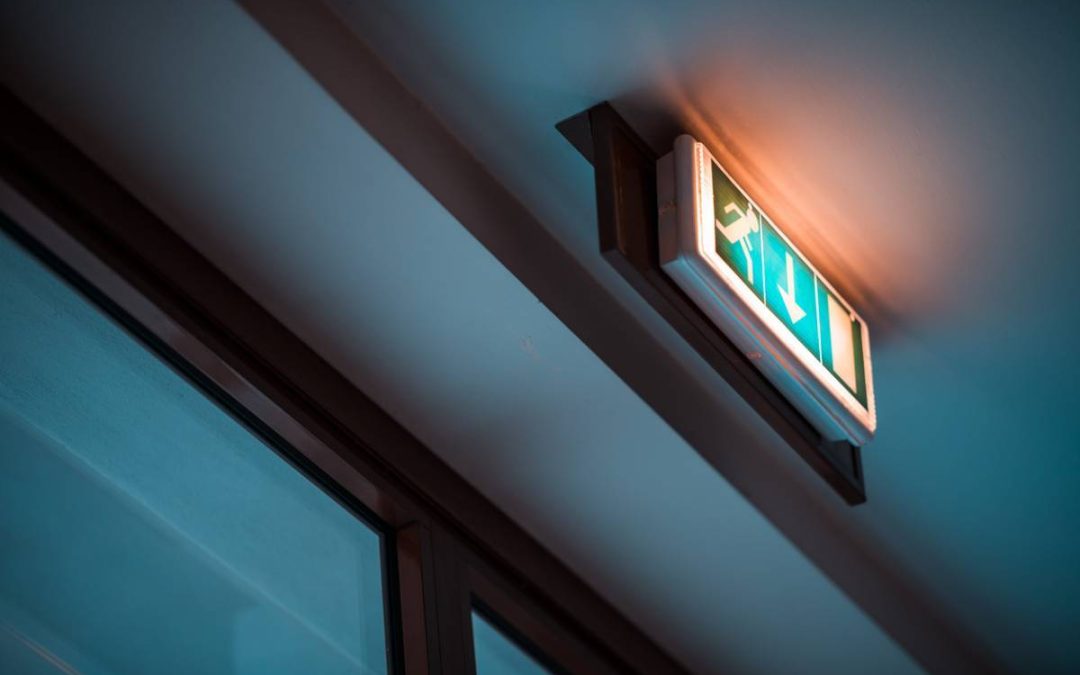
It should go without saying that fire doors are an essential safety feature in any shared housing environment. Be it student halls, a block of flats, or a house of multiple occupancy, fire doors save lives.
Should a fire start, these incredible inventions are designed to prevent the spread of flames and smoke, giving people more time to evacuate the building and reducing the risk of injury or loss of life.
In the following blog, we’ll discuss the importance of fire doors in shared properties. Read on to discover how they work, and why you need them!
What Are Fire Doors?
Let’s start with the basics. Essentially, a fire door is made of materials that are resistant to flames, such as steel or timber. Additionally, these devices are often fitted with special seals that expand when exposed to heat, closing the gap between the door and the frame. Fire doors also have a self-closing mechanism, which ensures that the door remains closed in the event of a fire, even if it has been left open.
When Are Fire Doors Required?
Put simply, fire doors are required in almost every building other than dwellings here in the UK. When it comes to residential properties and dwellings, however, it depends on a few things. New builds or renovated homes with three or more storeys must have fire doors to every habitable room coming off the stairwell. Additionally, a two-storey house with a door leading from an attached garage into the house also requires a fire door.
Fire Door Installation
For the safety of those living within a building, fire barriers and doors are absolutely essential. They could, quite literally, be the difference between life and death.
To ensure that your property is safe, be sure to have an expert survey and install the necessary protective equipment.
Why wait? Get in touch with JNR Limited to discuss your needs and arrange a visit.